1. The Price Feels Too Good to Be True
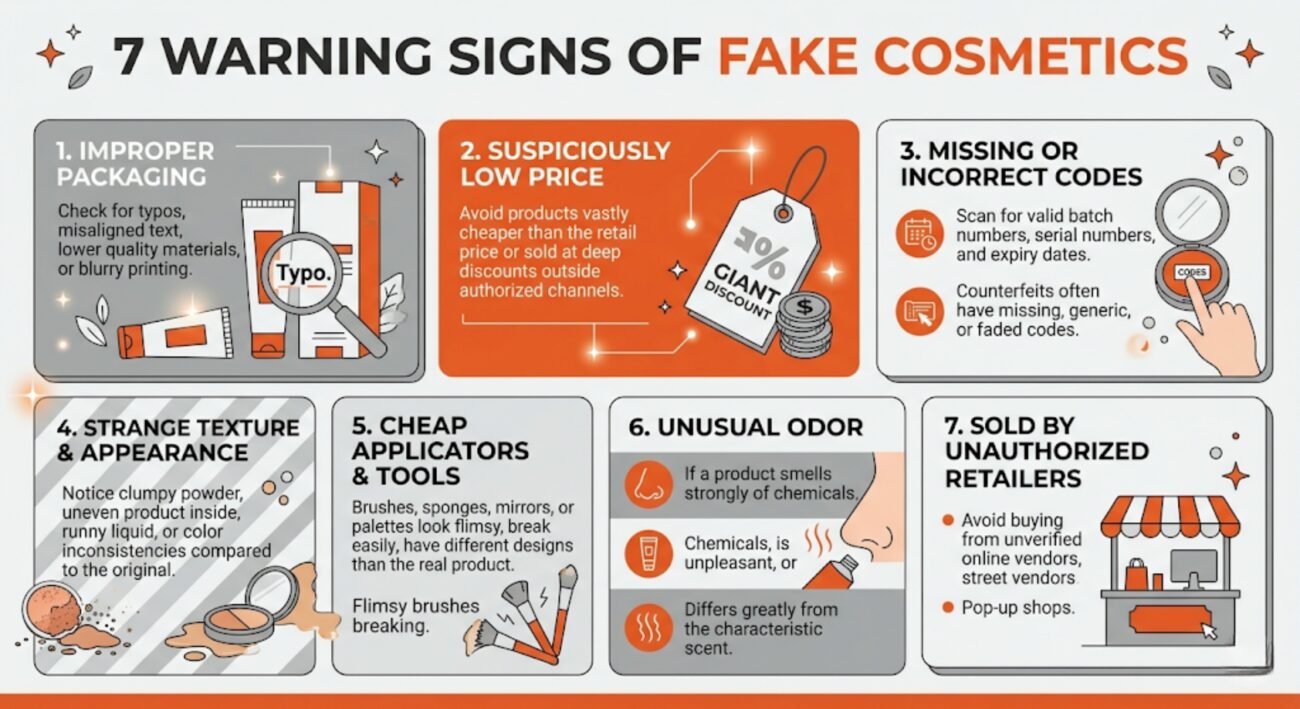
An original MAC Matte Lipstick retails for approximately BDT 4,500 to 5,500 depending on the variant. If someone is offering it at BDT 800 or 1,200, that is not a deal. That is a counterfeit. Premium brands maintain strict pricing because of ingredient quality, R&D, and global brand licensing. Deep discounts outside authorized channels are the single most reliable red flag, according to market experts cited in Dhaka Tribune (May 2026).
2. Packaging Quality Is Visibly Off
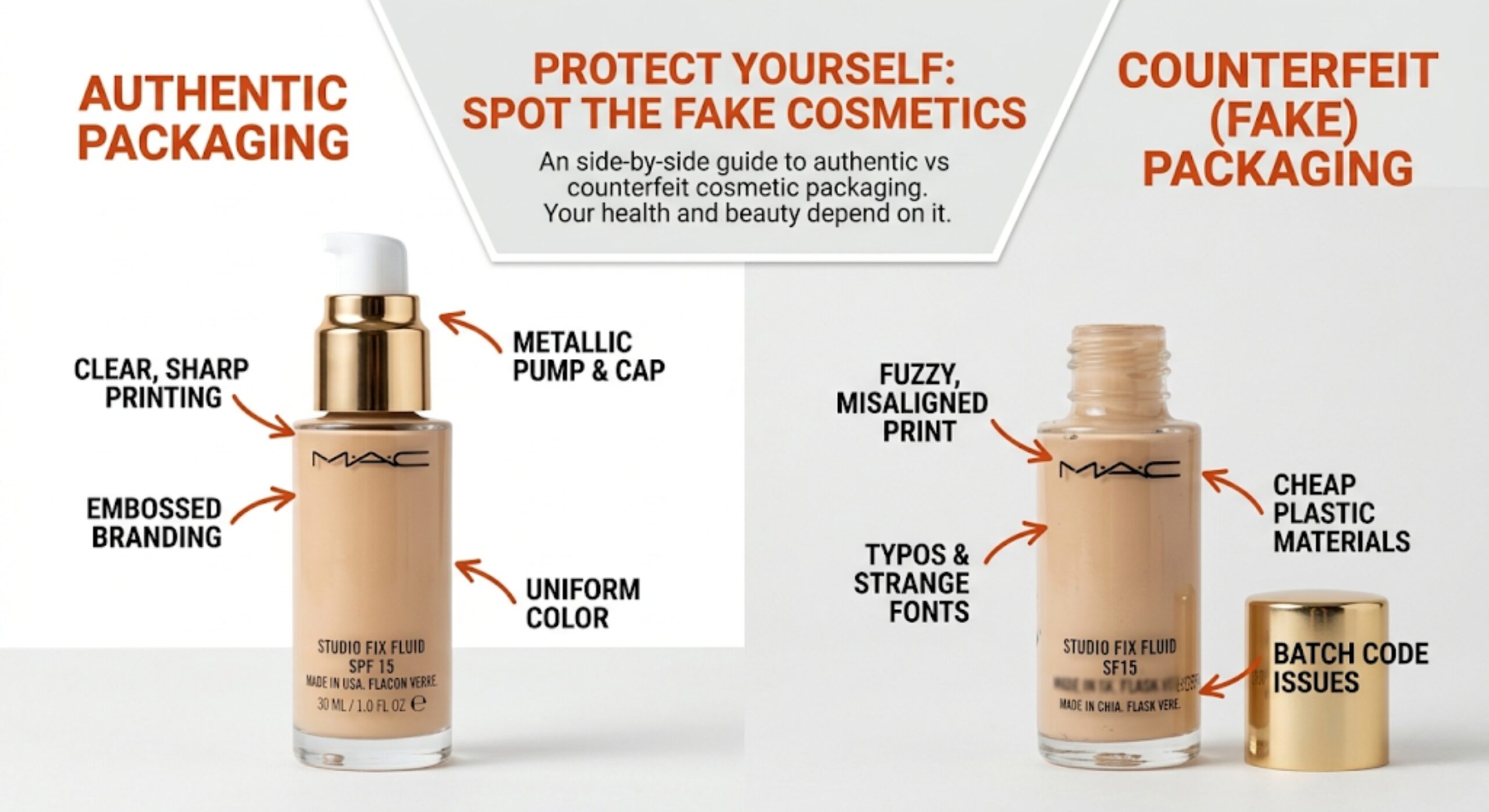
Counterfeit manufacturers invest the least in packaging. Look for blurry logos, uneven font spacing, mismatched brand colours, and poor quality cardboard. Original products from brands like Dior or CeraVe use rigid, high-density packaging with embossed details. Fakes often feel flimsy and light.
3. Batch Numbers and Expiry Dates Are Missing or Suspicious
Every authentic cosmetic product carries a batch number, manufacturing date, and expiry date. These are printed clearly and often laser-etched or stamped. Fake products either skip these entirely or print them in smudged, easily rubbed-off ink. Cross-reference batch numbers on platforms like CheckCosmetic.net or the brand official website.
4. The Smell Is Wrong
Fragrance formulation is one of the hardest things to replicate. Authentic perfumes and skincare products have layered, consistent scents. Counterfeits often smell overly chemical, sharp, or simply different from the original. If you have used the real product before and something smells off, trust your nose.
5. Texture and Consistency Do Not Match
Original CeraVe moisturizers have a specific lightweight, non-greasy texture that is clinically tested. Fakes tend to be either too watery or too thick and leave a residue. If the product does not absorb or behave the way the brand describes on their official site, question its authenticity.
6. The Seller Has No Proof of Sourcing
Ask the seller directly: where did you source this product? Can you show me the purchase receipt from an authorised retailer or distributor? Legitimate sellers will have import documentation, brand authorisation letters, or at minimum, receipts from official brand stores. If the response is vague or defensive, walk away.
7. No Official Extras or Documentation
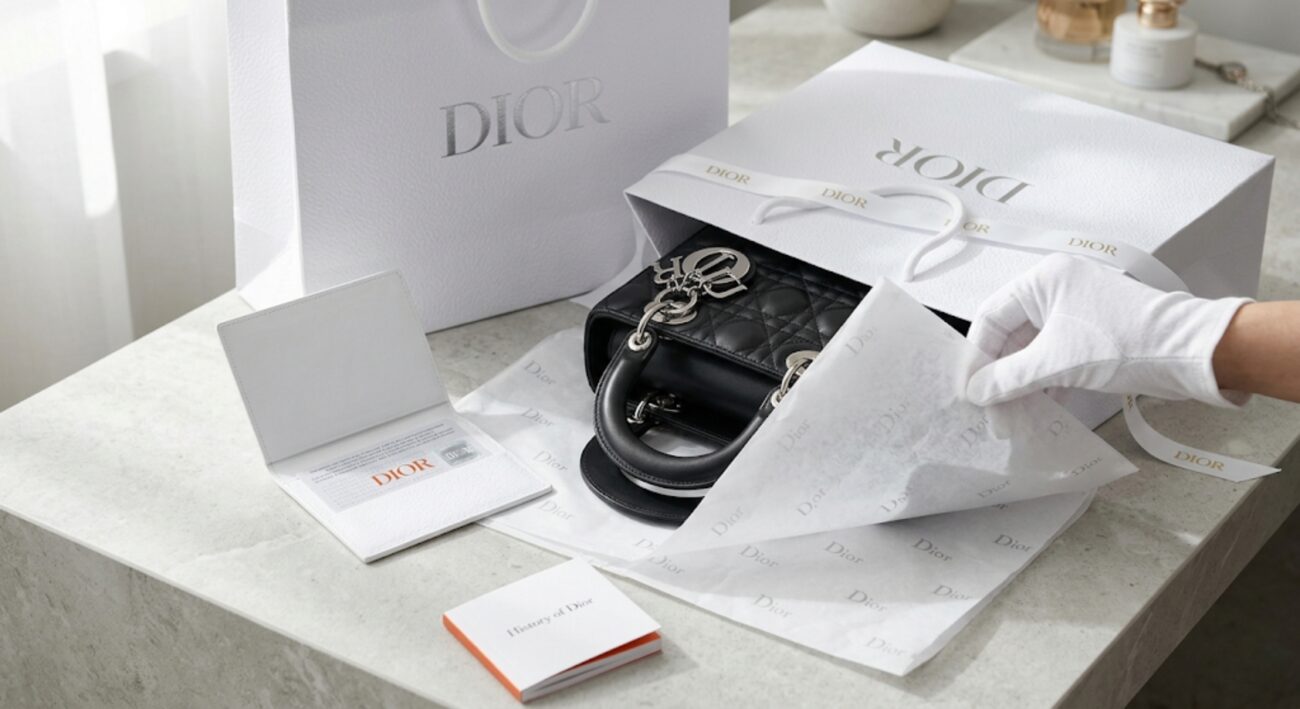
Brands like Dior and MAC include branded bags, tissue paper, sample sachets, authenticity cards, and sometimes serial-number-matched certificates. Counterfeits almost never include these extras. When you buy from a trusted source, these details come standard.